

If you’re searching for ways to reduce your back pain, one of the solutions might be on your plate!
Food is just one piece of the puzzle when it comes to relieving back pain. Want to get to the root of your pain and discover personalized solutions? Schedule an appointment with us today here – we’re here to help you feel your best!
In this article, we’re going to explain:
- Which foods and nutrients can be eaten to alleviate and heal back-pain
- The quantities of each food to consume per day
- Delicious recipes you can make to incorporate these foods into your diet
- Water with electrolytes
Most people don’t think of water when they want to eat to heal their back pain, but it’s one of the most important parts of a pain-healing diet!
The back is composed of bones, muscles, tendons, ligaments, and nerves. Each of these parts of our back are affected by how hydrated or dehydrated our back is. Muscle strains, cramps, and spasms are the most common causes of back pain. [1] Many people who regularly get cramps know that dehydration is one of the main causes! One essential way to prevent these strains in the back, as well as help treat them, is to consume more water.
One of the more common causes of severe back pain, herniated or bulging discs, is often associated with dehydration of the spine, and a lack of drinking enough water. [2] When we are hydrated from drinking adequate amounts of water, along with chiropractic adjustments and the correct rehab exercises, our body can start reallocating water to rehydrate herniated discs.
So, as we can see, most of the major causes of back pain are caused or are greatly impacted by how much water we drink.
The minimum amount of water we should drink for optimal health is ½ an ounce per pound of bodyweight. [3]
Now, let’s talk about electrolytes. These are nutrients designed to help our body retain water and stay hydrated more effectively and for longer periods of time. The 4 main electrolytes are:
- Potassium: Less than 1% of Americans get enough potassium. [4] Potassium is so crucial for back pain, the signs and symptoms of a potassium deficiency often mimic having a herniated disc. [5] Having adequate potassium levels allow our back to retain water. Many fruits and vegetables contain high amounts of potassium. [6]
- Sodium: More than 90% of Americans eat more than the recommended amount of sodium. [7] Although sodium is an essential electrolyte for hydration, getting too much sodium and not enough potassium can negatively affect the nerves, hydration levels, and blood health. [8]
- Magnesium: Magnesium is an important electrolyte associated with your body’s ability to relax and maintain adequate hydration. [9] Magnesium intake is associated with decreased pain, inflammation, and healthy joints. [10]
- Calcium: Everyone knows calcium for forming healthy bones, but it also helps our body absorb water, as well as keep our muscles healthy and strong! [11]

- Fatty fish or fish oil
Fatty fish, such as salmon, sardines, mackerel, and oysters have multiple nutrients that help reduce and heal back pain.
One major nutrient that most Americans don’t get enough of are Omega-3 fatty acids. Not only are Omega-3s able to reduce inflammation and reduce back pain quickly, [12] they also have been shown to prevent back-pain from forming or getting worse long-term. [13]
They are also extremely high in other nutrients that keep us healthy and functional, including B-vitamins, vitamin D, vitamin E, copper, phosphorous, potassium, and selenium. [14]
Ideally we should be consuming 2-5 grams of Omega-3 fatty acids per day, [15] which equates to 3 ounces of salmon or sardines, or 5 ounces of mackerel or oysters.

- Green vegetables
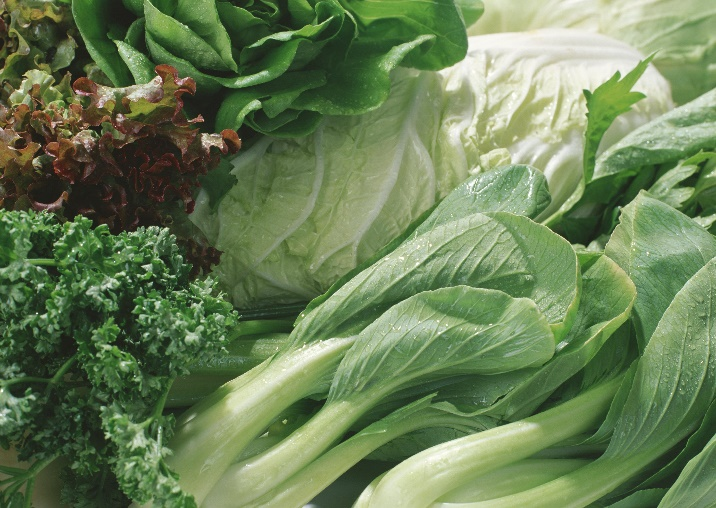
Green vegetables, such as kale, broccoli, lettuce, and cabbage are some of the most important foods, not just for our overall health, but also for helping us reduce pain! They contain most of the essential vitamins, minerals, and nutrients, which make them excellent at reducing inflammation and providing our body with the necessary building blocks to heal. [16]
Ideally, we should be eating at least 5 big handfuls of green vegetables per day to get the required nutrients to heal our back. This may seem like a lot, but one of the 2 recipes below will make it easy to get enough veggies!
- Berries
Berries are a delicious and easy way to add important nutrients for us to help fight back pain! They contain high amounts of vitamins, antioxidants, and phytonutrients that reduce inflammation and help our body heal. These include repairing our muscles and tendons, strengthening our bones, and reducing the risk of fractures and pain. [17]
The best suggestion is to get at least 1 cup of berries per day, this can include blueberries, strawberries, raspberries, blackberries, goji berries, acai, whichever are your favorites!

- Herbs and spices
Herbs and spices, especially ginger, turmeric, and garlic provide extremely high amounts of nutrients and back-healing compounds in very small doses! They help reduce inflammation, while also increasing our bodies ability to heal damaged areas and bring our body back to a place where it feels much less painful! [18]
The common recommendation is to consume 1/4-1/2 of a teaspoon of turmeric and ginger, and 1 clove of garlic per day.

2 Recipes to Heal Our Back
Salmon & Veggie Stir-Fry
- Turn stove on medium-high heat
- Combine into pan:
- ½ tablespoon coconut oil
- 3 oz salmon
- 5 handfuls of cabbage and/or broccoli
- ½ tablespoon of soy sauce (or 1 tablespoon coconut aminos)
- 2 cloves chopped garlic
- ½ teaspoon ground ginger
- ¼ teaspoon turmeric
- 1 teaspoon of honey (optional)
- Enjoy with a side of berries and a large glass of water!

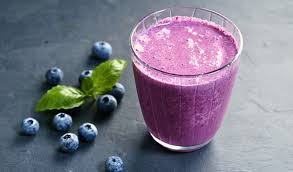
Kale & Berry Smoothie
- Combine into blender:
- 3-4 cups of water
- 5 handfuls of kale, lettuce, or other leafy green
- 1 cup of frozen berries
- 1 banana, apple, or other piece of fruit
- 3 tablespoons hemp, chia, or flax seeds
If you’re looking for help with reducing your back pain and getting back to enjoying life pain-free, you can book an appointment with us here.