
Shoulder Pain is one of the most common pain conditions in the United States, affecting 67% of people at some point in their life. [1] Finding evidence-based and effective treatments for shoulder pain can be difficult in Fort Washington, MD, but in this article, we’re going to explore the 5 most effective treatments we at Kaizo Health have found for our patients with shoulder pain.
If you live in the DC area and are unsure what’s causing your shoulder pain, haven’t found effective treatments, or are looking for care options, you can sign up for an appointment at our Fort Washington location here.
In this article, we’re going to explain:
- Major Causes of Shoulder Pain – Why did your shoulder pain start?
- 5 Major Treatments for Shoulder Pain – And which ones would be best for you
- Preventing Shoulder Pain – What can you do to make sure the pain doesn’t come back?
- Frequently Asked Questions about Shoulder Pain
Muscle injuries typically resolve within a few days to a couple of weeks, while other conditions may persist longer.
Major Causes of Shoulder Pain
1. Shoulder Sprain/Strain
Both shoulder sprains and strains are similar conditions, where parts of the shoulder stretch too far and rip or tear. In a sprain, this happens in the shoulder’s ligaments (tissue that connect bone to bone [2], whereas in a strain this occurs in the muscles and/or tendons (tissue that connects muscle to bone [3]). [4]
The most common reason patients develop shoulder sprains or strains is because of an acute injury that occurs in or around the shoulder, such as a fall, a sudden impact (such as a car accident), or lifting a heavy item too quickly. [5] Although it often happens suddenly, months or years of improper use or overuse of the shoulder can damage it to the point that a strain or sprain is more likely to occur. [6]

2. Rotator Cuff Injury
Rotator cuff injuries occur when damage accumulates around the muscles or tendons of the shoulder joint, leading to pain and dysfunction. [7] The injury can start as light damage and fraying, but can result in severe damage or partial/complete tears if unchecked or untreated. [8]
Rotator cuff injuries can happen due to a sudden injury (falling, heavy lifting, getting hit by a heavy object, etc.) or happen over time due to overuse or repetitive movements. [9] Rotator cuff injuries are quite common, with anywhere from 5-39% of the population experiencing it in their lifetime. [10]
3. Subacromial Bursitis
Subacromial bursitis occurs when the shoulder’s bursa sac becomes damaged and inflamed. [12] This often leads to pain and swelling, pain radiating down the arm, overhead movements being extra painful, or difficulty moving the shoulder in most directions.
One of the major causes of subacromial bursitis is repetitive and overused overhead movements, including painting, swimming, tennis, weightlifting, manual labor, or rock climbing. [13] This can be exacerbated with poor posture or poor movement mechanics. [14]
4. Shoulder Tendonitis
Shoulder tendonitis is shoulder pain that makes itself worse: there is damage in the tendons/ligaments, which leads to structures in the shoulder hitting against each other, causing more damage, and leading to more inflammation. [15] Many patients report a dull ache or tenderness, and pain more at night than during the day. [16]
Shoulder tendonitis is often caused by a strong force on the shoulder, so it is quite common in athletes, but can affect anyone. [17] Additionally, certain medications can increase the risk of tendonitis, so speak with your doctor about whether your medications may be contributing. [18]
5. Frozen Shoulder
A frozen shoulder, also called adhesive capsulitis, occurs when the connective tissue around the shoulder joint becomes inflamed, causing pain and limited range of motion. [19] Frozen shoulder is somewhat rare, affecting between 2-5% of the population, and typically affects women between the age range of 40-70. [20]
People with diabetes are more prone to developing frozen shoulder. Additionally, if it occurs in one shoulder, it is common for it to develop in the other shoulder as well. [21]
Different types of shoulder injuries require specific treatments tailored to each condition. If you have not been diagnosed to determine what’s causing your shoulder pain, you can sign up for an in-depth shoulder examination with one of our doctors in Fort Washington, Maryland here.
5 Treatments for Shoulder Pain
1. Chiropractic Adjustments
Chiropractic adjustments have become a standard and effective treatment for shoulder pain, often recommended by doctors and therapists to patients. [22] There’s lots of research showing that chiropractic adjustments are some of the most effective treatments for decreasing shoulder pain and increasing functionality long-term. [23] There are numerous techniques chiropractors can use for shoulders, including muscle and soft tissue work, scraping, joint mobilization, and treatments for the neck and cervical spine if the pain is radiating. [24]
Rehabilitation exercises can both decrease shoulder pain and strengthen the arms and shoulders, making long-term pain-relief more likely. In the video above, Dr. Dell shows off one exercise to decrease shoulder pain. Below, here’s another video shown to decrease shoulder pain:
Check out our Youtube page, where we have almost 100 videos on exercises, techniques, and activities you can do to decrease your shoulder pain!
3. Compression Therapy
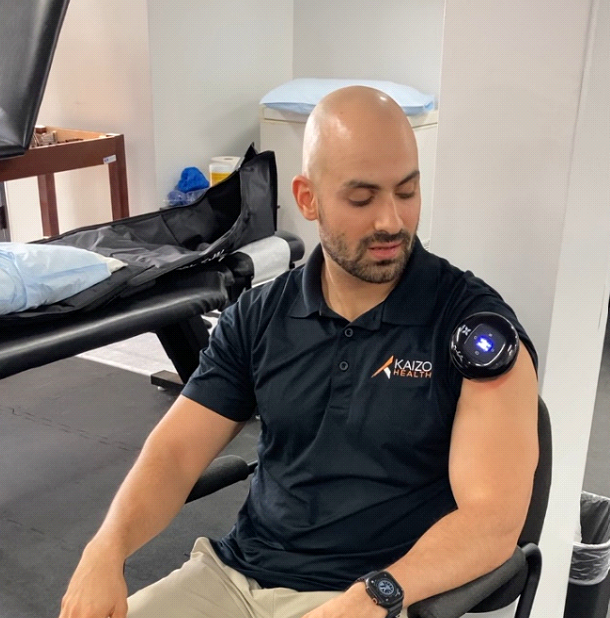
Compression therapy utilizes tools to constrict blood flow to certain areas, restricting blood from pooling, allowing for greater nutrient delivery and healing to occur in damaged areas. [25] Studies show that compression therapy is 3x more effective in reducing pain and increasing functionality than simply allowing the shoulder to heal on its own. [26]

4. Contrast Therapy
Contrast therapy is a treatment where patients have alternating cold and hot temperatures placed onto the damaged areas of the body. [27] It’s similar to compression therapy in that they achieve a similar objective of creating a pressure differential, leading to greater healing. Studies show that contrast therapy is great for decreasing shoulder stiffness, fatigue, and feeling like the shoulder is refreshed. [28]
For many, Contrast/Compression therapy seems like a new treatment that’s been growing in popularity, but similar techniques have been utilized for thousands of years to help people reduce pain. [29]
5. Cupping Therapy
Cupping therapy is the technique of drawing blood into specific areas to promote greater healing. [30] Studies have shown that cupping can bring neck and shoulder pain from 9.7/10 to 3.6/10 after only one treatment. [31] Cupping therapy has become popular over the years, especially for athletes who are looking to improve their performance.
You can read more about cupping in our blog: “Cupping Therapy: Are Those Bruises Really Worth It?”
Overall, research has shown that combining multiple therapies together is more effective at reducing pain and increasing functionality long-term than any treatment alone. That’s why, at Kaizo Health, we can utilize a combination of all of these treatments for our patients.
Preventing Shoulder Pain
1. Posture and Ergonomics
Research shows that sitting, standing, and lying posture affects sleep. [32] When we consistently have poor posture, it can lead to poor muscle growth and mechanics, which can lead to a higher chance of shoulder injury and pain. At Kaizo Health, we help patients with specific exercises and techniques to improve their posture, reducing the risk of reinjuring the shoulders long-term.
2. Ice
Ice has been shown to decrease shoulder inflammation and swelling in the short term, and may also have long-term benefits for healing. [3https://www.orthohandandarm.com/rest-and-ice-immediate-relief-strategies-for-shoulder-tendinitis/3] Even if there is no shoulder pain, applying ice on a regular basis to the previously damaged shoulder can help prevent future injuries.

3. Nutrition & Sleep
Both proper nutrition and sleep are essential parts of recovery. If you’re getting regular treatments and trying to heal your shoulder, but aren’t eating well or sleeping enough, your shoulder recovery will be significantly less effective. You can read more about getting the proper nutrition and sleep for recovery in our blogs “Top 5 Foods For Back Pain” and “Waking Up in Pain: How to Sleep Better and How Chiropractic Care Can Help.”
Shoulder Pain FAQ by Dr. Dell
Without a proper diagnosis or imaging, it can be difficult to distinguish the difference between any type of shoulder pain based on symptoms. The best thing to do if you’re unsure why your shoulder has been hurting is it to seek out a trained medical professional who can perform a thorough examination.
Pain almost always radiates from the spinal cord outward. This means that neck injuries can cause shoulder issues, but not the other way around. Shoulder injuries can cause arm issues, but not the other way around. One major way patients continue hurting themselves is with compensations, where they make physical adjustments throughout the day that cause more damage to other parts of the body because they’re trying to avoid pain. That’s why it’s critical to seek care as soon as pain occurs, so that other areas of the body don’t become damaged as well.
It significantly varies based on the severity of your injury, the type of injury, your age, your recovery protocol, and more. At Kaizo Health, our care plans typically span 2-3 months, during which patients achieve full recovery by the end of their treatment. That’s because we combine multiple treatments that synergistically improve each other.
The only way to truly know is with a diagnosis for a medical professional who specializes in orthopedic issues and pain, like a chiropractor. Typically, healthcare providers will recommend conservative care options (like chiropractic, rehabilitation exercises, and the other treatments listed in this blog) before recommending surgery. To learn more about the differences between surgery and natural treatments, check out our blog: “Surgery vs. Chiropractic, Rehab, and Natural Treatments for Back Pain: Which is Right For You?”
If you’re looking to heal your shoulder and get back to life you love, you can schedule an appointment with us at Kaizo Health in Fort Washington, MD here.